The Difference Between Informing and Moving People
The difference between a story that informs and one that moves peopleInformation and story are not the same thing. One tells you something. The other changes how you see it. Here is where that line sits — and why it matters.
The Difference Between Informing and Moving People
Most stories do their job. They deliver what they promised — a beginning, a middle, an end. Facts in order. Characters named. Stakes established. The reader or viewer arrives at the finish line knowing more than they did before.
And they forget it within a week.
This is the quiet failure of most communication. Not that it lies. Not that it bores. But that it informs without landing anywhere real. It passes through the mind without touching anything that matters.
There's a version of storytelling that functions like a Wikipedia article — accurate, organized, complete. And there's another version that works more like a conversation you had ten years ago that you still think about at odd hours. The words weren't necessarily special. But something in them rearranged you. You saw yourself, or someone else, or the world, slightly differently afterward. That shift never fully reversed.
The difference between those two things is not technique. It's not structure or pacing or the clever use of metaphor. Those matter, but they're downstream of something more fundamental — the question of whether the person telling the story actually needs you to feel it.
Information transfer can be accomplished without the audience. You publish it, it exists, job done. But moving someone requires a kind of sustained attention to another human being — a real reckoning with what they believe, what they fear, what they carry into the room before your story even begins. It requires caring not just about what you're saying but about what it's like to receive it.
This is why so many beautifully crafted stories leave people cold. The craft was real. The intention was absent. Or worse, the intention was self-directed — the story as proof of the teller's sensitivity, insight, artistry. The audience becomes a mirror, not a destination.
Stories that move people tend to be humble in a specific way. They don't announce their meaning. They trust the audience to arrive at it. They leave enough silence that the viewer or reader can walk into the frame and recognize something of themselves. That recognition — I have felt this — is the mechanism. It's not persuasion. It's more like permission. Permission to feel something you'd been holding at a distance.
This is also why the most affecting stories are rarely the most "important" ones by surface measure. A short film about a father teaching his daughter to tie her shoes can wreck someone more completely than a documentary about war. Not because the filmmaker played tricks. But because they found the precise true thing and trusted it. Precision is generosity.
The more specific story is, the more universal it becomes because specificity signals truth, and truth is what people are actually hungry for.
None of this means abandoning information. Facts, context, chronology — these are the skeleton. But the difference between a skeleton and a living thing is not more bones. It's something harder to name and easier to feel.
The question worth sitting with isn't what do I want to say? It's what do I want to leave someone carrying?
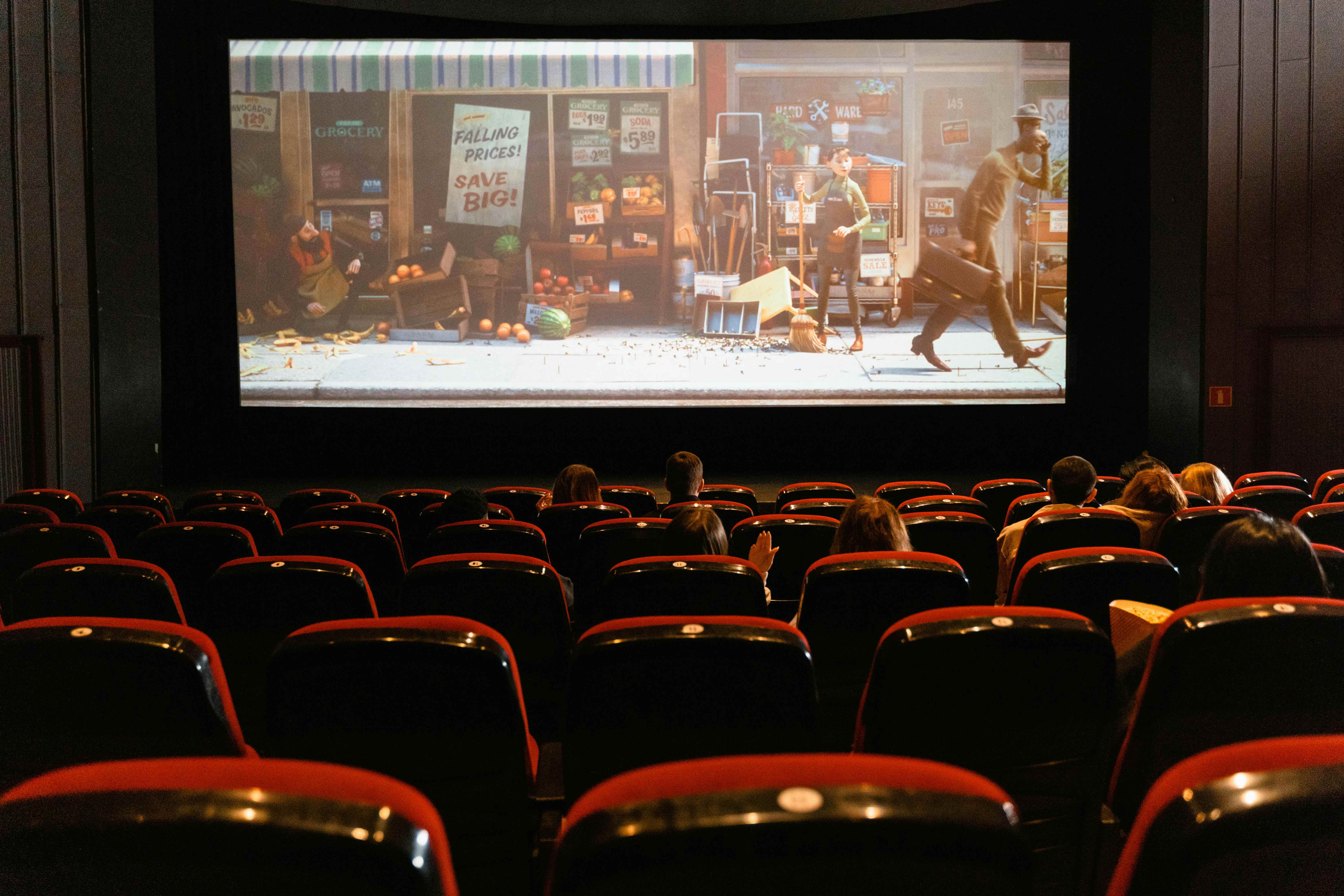
Because the stories that matter don't end when the screen goes dark. They follow people home.